
Category
Filter articles

Same-Sex Marriage
Same-sex marriage is the recognition in law of marriage between two persons of the same sex. The conservative position is grounded in the conjugal view of marriage: that marriage is...

Capital Punishment
Capital punishment is the legally sanctioned execution of a person convicted of a serious crime, typically murder or treason. Conservatives have defended the practice as the proper retributive response to...

Family
If there is a single institution that the conservative tradition treats as foundational, it is the family. The tradition reads the family as the site within which moral formation actually...

Welfare
The conservative is sometimes pictured as the opponent of welfare. The picture is wrong as a matter of intellectual history. The tradition that produced the Elizabethan Poor Laws, Bismarck's social...

War
War has been the constant background condition of the political order the conservative tradition seeks to preserve. The Roman, medieval, and early-modern statecraft from which the tradition draws was practical...

Sexism
The moral rejection of prejudice against women is not in serious dispute within the conservative tradition. What is in dispute is what counts as such prejudice: whether the recognition of...

Racism
The moral rejection of racism is one of the few claims in twenty-first-century public life on which the political tradition has reached genuine consensus. What that consensus does not settle,...

Human Rights
The language of human rights is now the standard idiom of moral protest, and conservatives are sometimes accused of standing outside it. That accusation rests on a misreading. The tradition...

Euthanasia
The conservative tradition treats euthanasia as one of the test cases of the broader dispute over whether the autonomy of the individual or the inviolability of human life is the...

Marriage
Marriage, from a conservative viewpoint, is far more than a personal arrangement; it is considered a foundational institution essential for the well-being of individuals, the stability of the family, and...

John Diefenbaker
John Diefenbaker, who served as the thirteenth Prime Minister of Canada from 1957 to 1963 and as leader of the Progressive Conservative Party from 1956 to 1967, holds a complex...

Absolute Monarchy
Absolute monarchy, a system of governance where a monarch wields supreme and unrestricted political power, often claiming authority by divine right or heredity, presents a complex subject when viewed through...
Latest articles
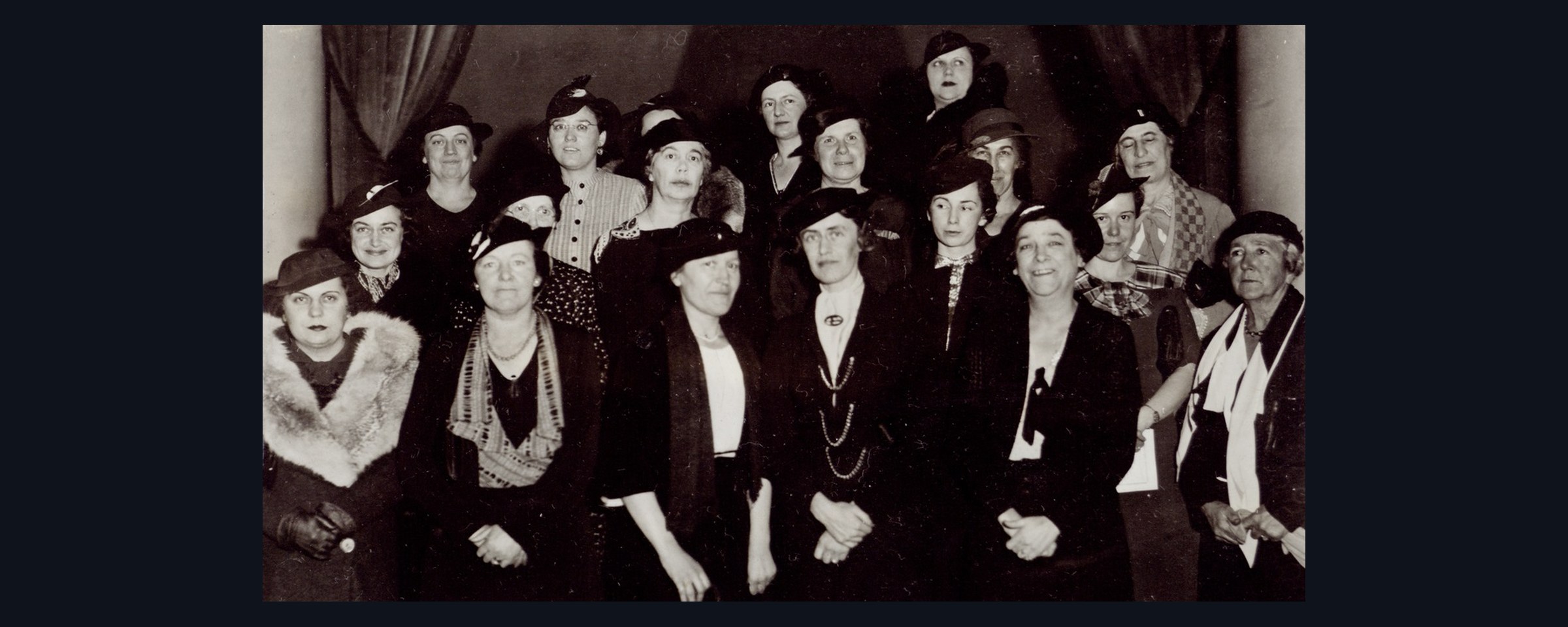



Woman’s Rights
Woman's rights denotes the body of legal and political claims asserting equal standing for women in property, contract, suffrage, education, employment, and family law. In the Anglo-American world the sequence ran from married women's property acts in the 1830s through the suffrage victories of 1918 to 1928 in Britain and 1920 in the United States, to equal-pay and anti-discrimination statutes in the 1960s and 1970s. Conservatives supported and in several cases led these reforms, on the ground that the common-law doctrine of coverture — which merged a wife's legal personality into her husband's — was an inherited defect rather than...
White Privilege
White privilege is the claim that people classified as white receive unearned advantages in societies with a history of racial hierarchy, and that these advantages persist after formal legal discrimination has ended. The term entered wide academic use through Peggy McIntosh's 1988 working paper at Wellesley College, which listed everyday conveniences she attributed to her race, and moved into corporate and government training programmes across North America and Britain during the 2010s.1 Conservatives dispute the concept on three grounds: that it assigns moral debts by ancestry rather than conduct, that it collapses the distinction between statistical disparity and personal culpability,...
Torture
Torture is the deliberate infliction of severe pain on a person held in custody, for confession, information, punishment, or intimidation. European law abolished it as a judicial instrument during the eighteenth century, and the Convention against Torture, adopted by the United Nations on 10 December 1984 and in force from 26 June 1987, prohibits it absolutely — admitting no exception for war, public emergency, or superior orders.3 The settled conservative position is that the prohibition holds. It rests on the Christian and natural law claim that a person retains a dignity the state did not confer and cannot withdraw, and...
Social Security
Social Security is the United States' federal old-age, survivors, and disability insurance program, financed by a dedicated payroll tax and administered by the Social Security Administration. Enacted in 1935 as the centerpiece of Franklin Roosevelt's New Deal, it pays benefits to retired and disabled workers and their dependents, drawing on contributions credited to two trust funds. The program is the largest single line in the federal budget and the principal source of income for most American retirees. Its long-term financing is the subject of a recurring policy argument: the combined trust funds are projected to deplete within roughly a decade,...