
Print
Cite
Feedback
Share
Key Takeaways
- Neoliberalism is an economic and political ideology emphasizing limited government intervention in the economy and free-market capitalism.
- Conservatives generally support neoliberal policies, emphasizing economic efficiency, deregulation, and a free market approach.
- Conservatives advocate for fiscal responsibility and value individual liberty.
Introduction
Neoliberalism is an economic and political ideology that has shaped the global landscape for the past several decades. Emerging in the mid-20th century as a response to the perceived failures of state interventionism and shortcomings of earlier economic models which had left a negative mark worldwide. It advocates for limited government intervention in the economy, deregulation, privatization, and a focus on free-market capitalism.
At its core, neoliberalism prioritizes individualism and competition, arguing that when individuals are left to pursue their self-interest in a free market, it will lead to overall prosperity and economic growth. More than just economics, neoliberalism encompasses a broader set of ideas that extend to social, political, and global governance aspects, promoting deregulation and reduced government intervention across various domains. This ideology has influenced the policies of many countries, particularly in the West. It has been mainly associated with economists like Milton Friedman and Friedrich Hayek, along with politicians such as Margaret Thatcher and Ronald Reagan.[1]
Conservative perspective
Conservatives support neoliberalism for three main reasons. First, conservatives support free market policies and economic efficiency. Second, neoliberalism promotes deregulation and innovation. Third, conservatives support the fiscal responsibility and individual liberty of neoliberalism.
Free market and economic efficiency

Conservatives embrace the principles of free-market economics, which emphasize the importance of voluntary transactions, competition, and private property rights. That’s why conservatives view neoliberalism as a way to promote economic efficiency by minimizing government intervention in markets. Conservatives argue that reducing regulations and allowing free-market forces to determine prices and allocate resources can lead to increased productivity and innovation.[2]
Neoliberalism, according to conservative thought, allows resources to be allocated more efficiently. In a free-market system, prices are determined by supply and demand. Conservatives contend that this pricing mechanism ensures resources are directed to where they are most needed and where they can generate the most value. The allocation of resources is therefore market-driven rather than dictated by government planners.
Deregulation and innovation
Neoliberalism focuses on deregulations and conservatives advocate for reducing government regulations that is seen as hindering business and economic growth. Conservatives argue that excessive regulations can stifle innovation, increase compliance costs, and deter investment. By streamlining and reducing regulations, they believe businesses can operate more freely and respond to market demands more effectively.
Moreover, neoliberalism also encourages competition, which conservatives believe positively effects innovation. This belief is rooted in the conservative understanding that a market-driven economy encourages businesses to innovate in order to gain a competitive edge and improve the quality of goods and services. Conservatives add that when businesses are free to compete, consumers are the ultimate beneficiaries, where they enjoy a wider range of choices and lower prices.
Fiscal responsibility and individual liberty
Conservatives assert that lower government spending is a key component of fiscal responsibility. Neoliberalism encourages prioritizing essential functions of government and cutting unnecessary expenditures, this not only curtails the overall size of government but also prevents the accumulation of excessive public debt. Conservatives argue that a fiscally responsible government is better positioned to manage economic downturns, respond to crises, and avoid placing an undue financial burden on future generations.[3]
Conservatives value individual liberty and view neoliberalism as a means to empower individuals by reducing government interference in their economic choices. Additionally, conservatives contend that people should have the freedom to make decisions about their own lives and finances without excessive government control. Moreover, neoliberalism’s focus on economic growth and investment is seen as a means to create wealth. Conservatives argue that this approach encourages personal responsibility and self-reliance.
Key Differences Between Conservatism and Neoliberalism
It is worth nothing that while conservatives and neoliberals meet on many points, key differences arise when it comes to several issues.
Conservatives support protecting traditional and moral values, arguing that these values have been long standing and keep society in order, viewing them as a moral framework that guides individual behavior. Neoliberals, however, may be more open to social change and are less concerned about protecting these values, arguing that individuals should be free to make their personal choices, without excessive cultural and moral restrictions.
While conservatives support a limited government, they still advocate for it to have an active role in addressing societal issues and be responsive. An example of this would be conservatives supporting policies that deal with emergencies, such as natural disasters or a public-health crises. Neoliberals on the other hand advocate for a “hands-off” approach, arguing that the private initiatives and market forces are more equipped to address such issues.
- [1] Thompson, Author Karl. 2016. “Neoliberalism and the New Right – an Introduction.” ReviseSociology. April 14. https://revisesociology.com/2016/04/14/neoliberalism-new-right-introduction/.
- [2] Nakano, Takeshi. 2015. “Neoliberalism and Conservatism.” Beyond Global Capitalism, 67–75. doi:https://doi.org/10.1007/978-4-431-55181-2_5.
- [3] Gamble, Andrew. 2013. “Neo-Liberalism and Fiscal Conservatism.” Cambridge University Press EBooks, August. Cambridge University Press, 53–76. doi:https://doi.org/10.1017/cbo9781139857086.004.
You've read articles over the past year
Will you support conservative education?
A gift of any amount helps keep unique explanatory journalism free for all, and
supports our mission to help everyone understand the world, regardless of their
ability to pay.One-time contributors join our community of givers and will be kept
up to date on the journalism that you help keep free.

Westernization
Westernization is the adoption by non-Western societies of institutions, technologies, laws, manners and habits of mind that originated in Western Europe and its colonial offshoots....
War Crime
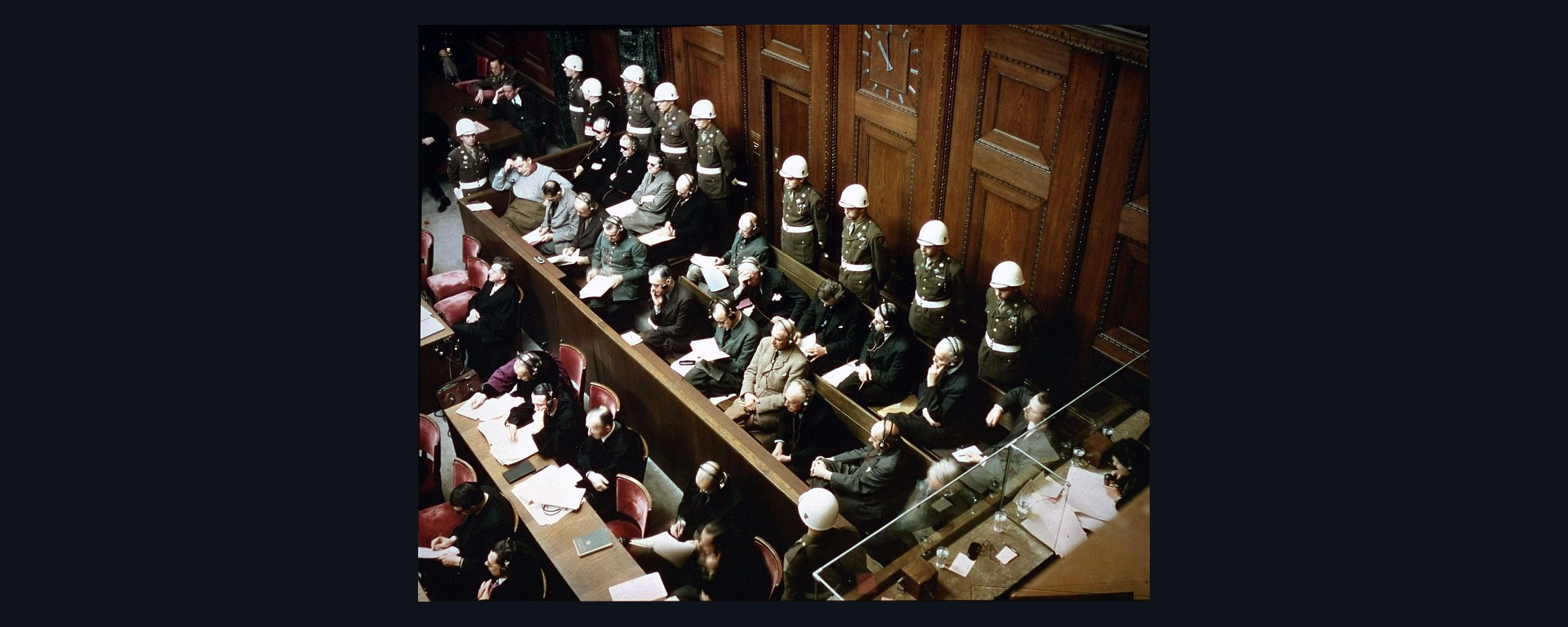
A war crime is a serious violation of the law of armed conflict for which an individual bears personal criminal responsibility. The category covers the...

Voter ID Laws
Voter identification laws require a person presenting to vote to prove who they are, usually by producing a government-issued document. The requirement is unremarkable across...

Voter Fraud
Voter fraud is the deliberate corruption of an election by unlawful means: impersonating another voter, casting ballots in the name of the dead or the...