
Print
Cite
Feedback
Share
Freedom of movement is the liberty of a person to travel within his own country, to leave it, and to return. It includes the right to choose where to live and work, free from arbitrary confinement, internal passports, or a permit system that ties a subject to one place. Article 13 of the 1948 Universal Declaration of Human Rights states the right in these terms, and it stands among the oldest liberties of the English common law.
Conservatives defend this freedom as a mark of a free people and a limit on the state’s power to control its own citizens. They draw a sharp line, however, between the internal mobility of a nation’s members and the separate question of who may cross its borders to join it. The first is a personal liberty; the second is a matter of national self-government. Conflating the two, conservatives argue, turns a genuine right into an argument for open borders that it was never meant to support.
Key Takeaways
- Freedom of movement is the right of citizens to travel within their country, to leave, and to return, and to choose their residence.
- It is an ancient common-law liberty, reflected in Magna Carta and later in Article 13 of the Universal Declaration of Human Rights.
- Conservatives distinguish the internal mobility of citizens from a nation’s right to control immigration across its borders.
- Regimes that restrict internal movement, through internal passports or residence permits, mark themselves as unfree.
History And Context
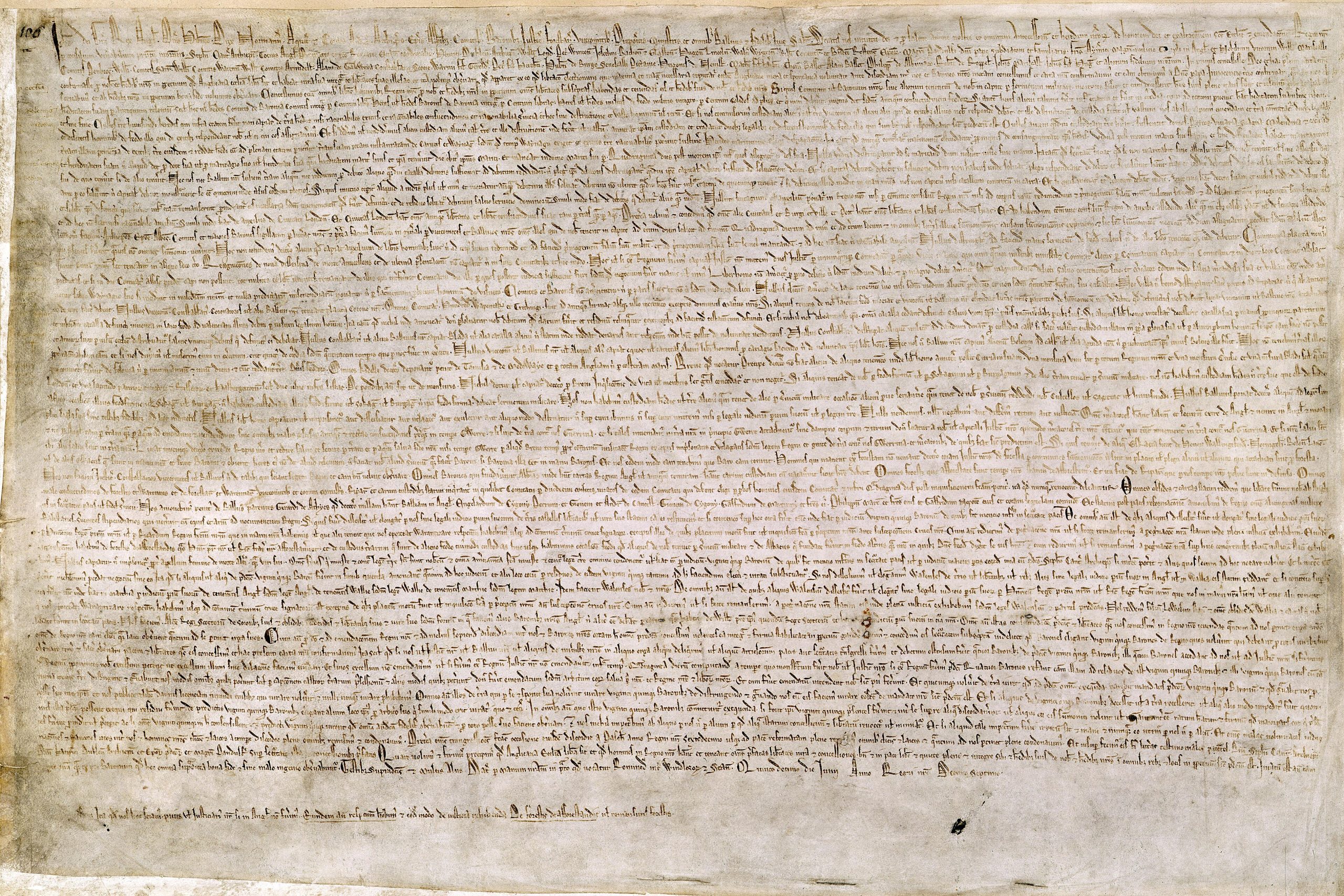
The liberty of movement is written into the foundations of English law. Clause 42 of Magna Carta in 1215 granted subjects the right to leave and re-enter the realm in safety, save in time of war. William Blackstone, in his Commentaries on the Laws of England of 1765, listed the power of moving one’s person wherever one chooses, without imprisonment or restraint, among the absolute rights of every Englishman.
The modern threat to this liberty came from the total states of the twentieth century. The Soviet Union revived the internal passport, the propiska, binding citizens to an assigned city and requiring official permission to move. Apartheid South Africa enforced its own pass laws. These systems taught a lasting lesson that conservatives repeat: the first thing a tyranny does to its own people is fix them in place, because a population that cannot move cannot easily flee or resist.
After the Second World War the drafters of the Universal Declaration set the right down in 1948, and later treaties confirmed it. In the same period the European project made freedom of movement a right among member states, extending to work and residence across borders, which reopened the very question conservatives insist on keeping distinct: the difference between a citizen’s mobility and a stranger’s admission.
The Conservative Position
Conservatives treat freedom of internal movement as a settled liberty, part of the inheritance of a free people that governments must not disturb. A citizen’s ability to travel, resettle, and seek work where he wishes is both a personal good and a check on the state, since a people that can move is harder to coerce. On this the conservative and the classical liberal agree, and both point to the internal passport as a badge of despotism.
The conservative departs from some liberals on the border. The right to leave one’s own country, they argue, does not entail a right to enter anyone else’s. A nation is a particular community with the authority to decide its own membership, and that authority is a condition of self-government rather than a violation of anyone’s liberty. Roger Scruton grounded this in the idea of the nation as a shared home, held in trust and defended at its edges, without which the loyalties that sustain a free society dissolve.
From this follows the conservative approach to policy. Internal mobility should be near-absolute, protected against surveillance and residence controls. Immigration, by contrast, is a proper subject of law and limit, decided by citizens through their representatives according to the country’s capacity and character. Treating the two as one right, conservatives contend, smuggles a radical claim about borders inside the respectable clothing of an ancient personal freedom.
Differing Positions
Cosmopolitan liberals and some libertarians press the right further than conservatives allow. If a person may leave his country, they ask, what moral difference justifies another country in barring his entry, when the accident of birthplace decides so much of a life? On this view the same logic that condemns internal passports condemns border controls, and the freedom to move should extend across the whole earth, subject only to the ordinary law against force and fraud.
Others answer the conservative from the opposite side, arguing that even internal movement may be limited for public order, public health, or security, as quarantine and emergency powers show. The dispute is less about whether the liberty exists than about its edges. Conservatives hold that the internal right is strong and the external claim weak, that a settled people has both the freedom to move within its home and the authority to decide who else may enter it, and that these two commitments are consistent rather than contradictory.
References
- Magna Carta (1215), clause 42.
- William Blackstone, Commentaries on the Laws of England, vol. 1 (Clarendon Press, 1765).
- Universal Declaration of Human Rights (United Nations, 1948), art. 13.
- Roger Scruton, The Need for Nations (Civitas, 2004).
You've read articles over the past year
Will you support conservative education?
A gift of any amount helps keep unique explanatory journalism free for all, and
supports our mission to help everyone understand the world, regardless of their
ability to pay.One-time contributors join our community of givers and will be kept
up to date on the journalism that you help keep free.

Westernization
Westernization is the adoption by non-Western societies of institutions, technologies, laws, manners and habits of mind that originated in Western Europe and its colonial offshoots....
War Crime
A war crime is a serious violation of the law of armed conflict for which an individual bears personal criminal responsibility. The category covers the...

Voter ID Laws
Voter identification laws require a person presenting to vote to prove who they are, usually by producing a government-issued document. The requirement is unremarkable across...

Voter Fraud
Voter fraud is the deliberate corruption of an election by unlawful means: impersonating another voter, casting ballots in the name of the dead or the...