
Print
Cite
Feedback
Share
Freedom of religion is the right to hold, practise, change, or decline a faith without coercion by the state. It protects worship, teaching, and the ordering of one’s life according to conscience, and it forbids the government from establishing a compulsory creed or punishing dissent from it. The First Amendment to the United States Constitution, ratified in 1791, fixed the principle in law by barring both an establishment of religion and any prohibition on its free exercise.
Conservatives call religious liberty the first freedom, and not by accident. They ground it in the dignity of conscience, which no state created and none may command, and they treat the churches, synagogues, and other communities of faith as pillars of the moral order that stands between the individual and the government. Where that liberty is secure, conservatives argue, other freedoms have firmer footing; where it is eroded, the state has begun to claim authority over the soul.
Key Takeaways
- Freedom of religion protects the right to believe, worship, and live by conscience free from state coercion.
- Its modern form was shaped by John Locke’s argument for toleration and by the American founders’ rejection of an established church.
- Conservatives regard religious liberty as the first freedom and the churches as institutions that restrain state power.
- Modern disputes turn on the clash between religious conscience and general laws, from mandates to anti-discrimination rules.
History And Context
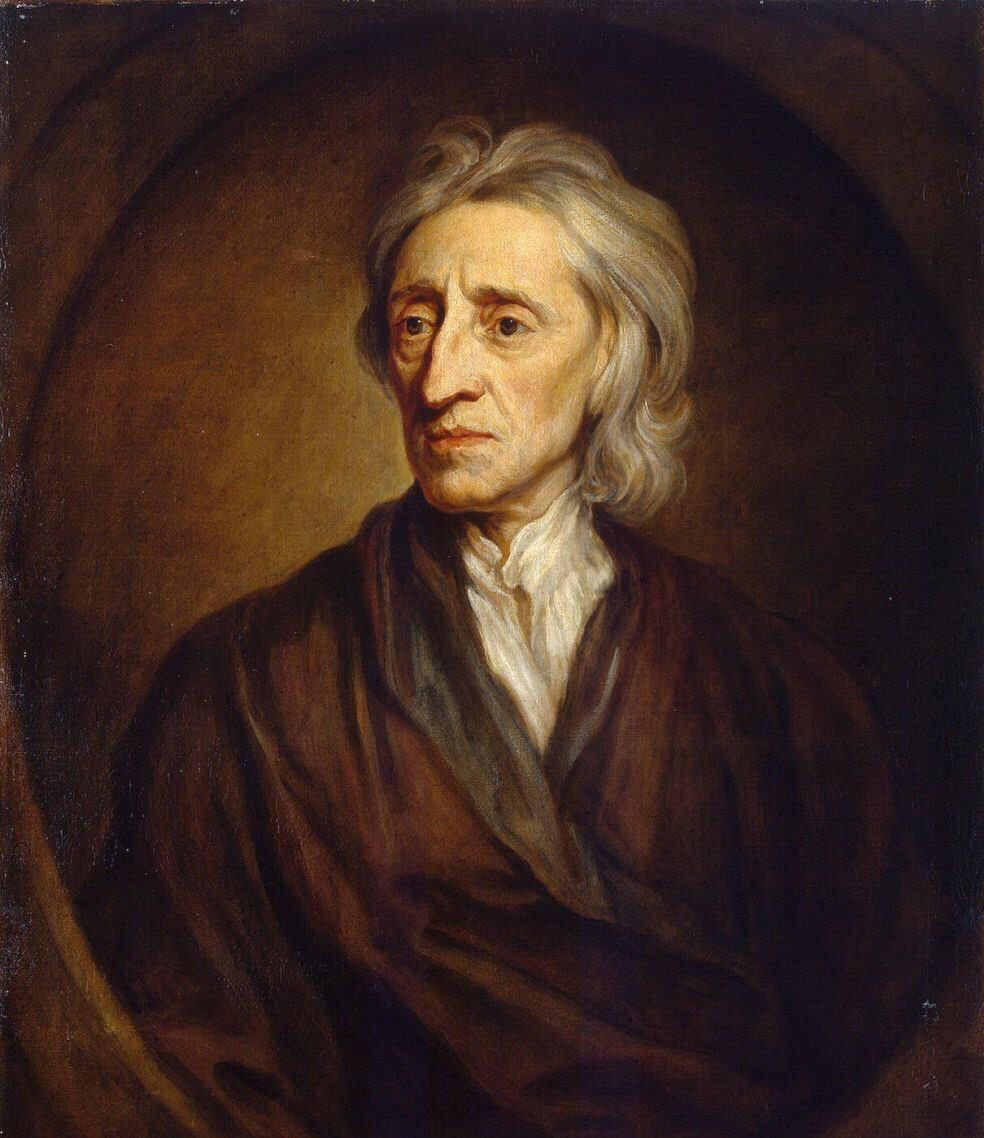
The idea that faith cannot be forced has deep roots, but its modern form was forged in the religious wars of early modern Europe. After more than a century of bloodshed between Catholics and Protestants, thinkers began to argue that compelled belief is both futile and unjust. In the American colonies Roger Williams founded Rhode Island in 1636 on the principle of liberty of conscience, refusing to tie civil standing to religious conformity.
John Locke gave the argument its classic statement in A Letter Concerning Toleration, published in 1689. He held that the care of souls lies beyond the magistrate’s commission, since genuine belief cannot be produced by force, and that the state’s authority extends only to civil goods. Locke’s reasoning shaped the settlement that followed a century later, when the American founders, drawing also on the experience of dissenting churches, refused to establish a national religion.
James Madison and Thomas Jefferson carried the principle into law. The Virginia Statute for Religious Freedom of 1786 disestablished the church in that state, and the First Amendment of 1791 applied the same logic to the new federal government. Alexis de Tocqueville, touring the United States in the 1830s, judged that this separation had strengthened rather than weakened religion, because a faith that depends on no state remains free to shape the manners and morals of a self-governing people.
The Conservative Position
Conservatives defend religious liberty as the ground of a free and moral society. They hold that conscience answers to a law above the state, and that a government which forces belief or punishes worship has overstepped the bounds of its legitimate authority. This is why conservatives resist attempts to drive religion out of public life and treat the free exercise of faith, not merely private opinion, as the core of the right.
The conservative case rests also on institutions. Edmund Burke praised the small communities and inherited attachments that stand between the individual and the power of the state, and Robert Nisbet argued in the twentieth century that religious bodies are among the strongest of these intermediate associations. Churches form character, relieve the poor, and sustain a moral consensus that no government could manufacture, and they do so best when free from official control. To weaken them is to leave the individual more exposed to the state.
In present disputes conservatives defend conscience against general mandates. When laws require believers to act against their faith, in medicine, education, or commerce, conservatives argue for accommodation rather than compulsion, holding that a confident liberal order can make room for dissenters without collapsing. They warn that a doctrine of absolute state neutrality, pressed far enough, becomes hostile to religion itself, treating faith as a private hobby to be tolerated only so long as it makes no public claim.
Differing Positions
Secular liberals accept religious liberty but draw its limits closer to the private sphere. On their view the free exercise of religion cannot license exemptions from laws that protect others, and a believer’s conscience does not entitle him to deny goods, services, or medical care that the law guarantees to all. Where faith meets anti-discrimination rules or public health mandates, they argue, the general law should ordinarily prevail, lest religious exemption become a licence to harm.
A stricter separationist tradition goes further, holding that public institutions should be scrubbed of religious expression to protect citizens of every faith and none. Against both, conservatives contend that a regime of pure neutrality is neither possible nor desirable, that it quietly installs a secular creed of its own, and that a society which forgets the religious sources of its liberties will not long preserve them. The argument turns, in the end, on whether religious conviction is a private preference the state may manage or a prior claim the state must respect.
References
- John Locke, A Letter Concerning Toleration (1689).
- Virginia Statute for Religious Freedom (1786).
- Alexis de Tocqueville, Democracy in America (1835).
- Robert Nisbet, The Quest for Community (Oxford University Press, 1953).
You've read articles over the past year
Will you support conservative education?
A gift of any amount helps keep unique explanatory journalism free for all, and
supports our mission to help everyone understand the world, regardless of their
ability to pay.One-time contributors join our community of givers and will be kept
up to date on the journalism that you help keep free.

Westernization
Westernization is the adoption by non-Western societies of institutions, technologies, laws, manners and habits of mind that originated in Western Europe and its colonial offshoots....
War Crime
A war crime is a serious violation of the law of armed conflict for which an individual bears personal criminal responsibility. The category covers the...

Voter ID Laws
Voter identification laws require a person presenting to vote to prove who they are, usually by producing a government-issued document. The requirement is unremarkable across...

Voter Fraud
Voter fraud is the deliberate corruption of an election by unlawful means: impersonating another voter, casting ballots in the name of the dead or the...