
Print
Cite
Feedback
Share
Key Takeaways
- Nuclear energy refers to the electricity generated through a controlled reaction in nuclear reactors.
- Conservatives support nuclear energy, as it leads to greater energy independence and is an effective renewable energy source.
- Conservatives emphasize the importance of research and development programs to lead to a more secure and cost-effective nuclear energy solutions.
Introduction
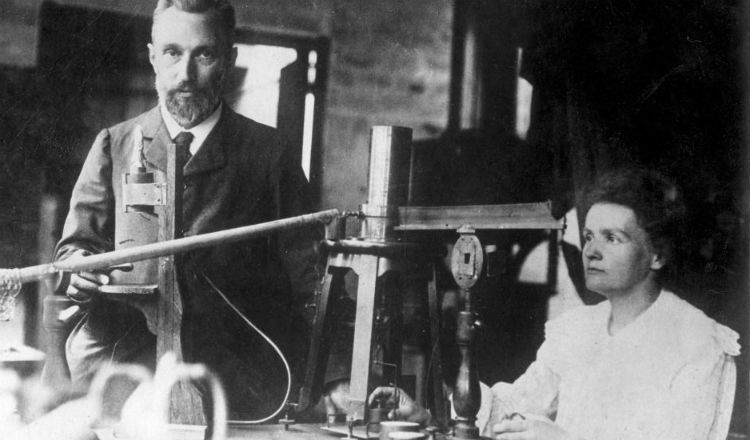
The origins of nuclear energy date back to the late 19th century with the works of Marie and Pierre Curie, who made key discoveries related to radioactivity. Einstein’s Theory of relativity (1905) was another step in understanding nuclear energy, where he theorized that huge amounts of energy could be released from small amounts of matter. The Manhattan Project achieved the first controlled nuclear chain reaction in December 1942, which lead to the creation of the first atomic bomb that was later used in the nuclear bombings of Japan. After WW2, the focus shifted from military to peaceful uses of nuclear energy.
Nuclear energy is generated through the controlled splitting of uranium or plutonium nuclei, releasing vast amounts of heat that are subsequently converted into electricity. This scientific innovation has given rise to nuclear power plants, which play a major role in supplying electricity worldwide.[1]
Praised for its capacity to generate large amounts of energy with minimal greenhouse gas emissions, nuclear power is positioned as a potential solution to address the growing global demand for electricity while in a renewable fashion. However, concerns about radioactive waste disposal, nuclear accidents, and the potential for nuclear proliferation have fueled ongoing debates about the safety, environmental impact, and sustainability of nuclear power.
Conservative perspective
There are three main reasons as to why conservatives support nuclear energy. First, conservatives argue for energy independence and protecting national security. Second, nuclear energy is reliable and green. Third, conservatives push for further research and development programs to address safety concerns related to the adoption of nuclear energy.
Energy independence and national security
Many conservatives view nuclear energy as a means to achieve greater energy independence by reducing reliance on foreign sources of oil and natural gas, especially those coming from unstable regions like the Middle East. The argument is that a diversified energy portfolio, which includes nuclear power, not only leads to a secure and stable energy supply, but also enhances national security. Moreover, conservatives assert that by adopting nuclear energy, the economy is protected from the fluctuations of the oil market, this in turn leads to a stable economy.
Conservatives often emphasize the economic benefits of nuclear energy, including job creation and support for local economies. The construction and operation of nuclear power plants, as well as the associated supply chain, can contribute to economic growth and stability. Conservatives argue that the nuclear industry provides well-paying jobs, which in turn stimulates local economies.
Reliability and reduced carbon emissions
Nuclear power is praised for its reliability and ability to provide baseload power (the minimum amount of electric power needed to be supplied to the electrical grid), maintaining a consistent output of electricity. Some conservatives argue that this characteristic makes nuclear energy a stable component of the energy grid, especially in contrast with other renewable energy sources like wind and solar power.[2]
Conservatives view nuclear energy as a crucial component in the transition to a low-carbon future, pointing to its ability to generate significant amounts of electricity with minimal greenhouse gas emissions, making it a reliable alternative to traditional fossil fuels. Conservatives argue that nuclear power is a sustainable solution, which provides consistent and scalable energy that reduces dependence on carbon emitting sources.
Safety concerns
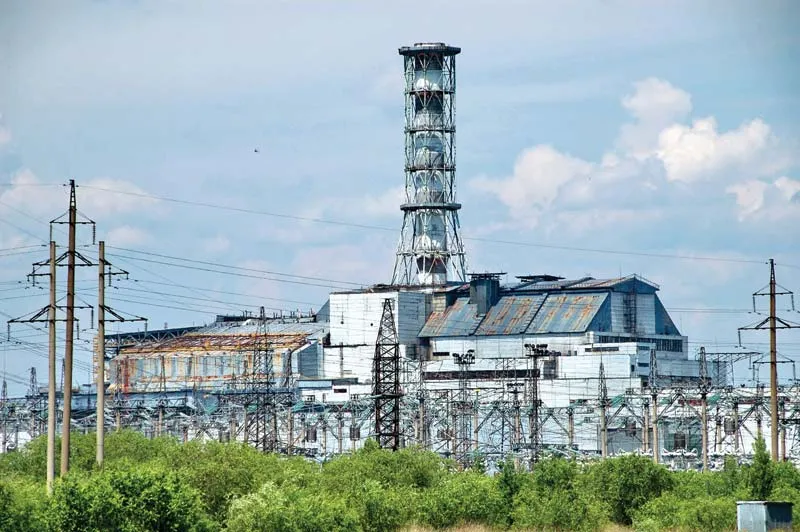
Conservatives acknowledge the safety issues that arise from adopting nuclear energy, pointing to multiple previous nuclear accidents such as Chernobyl. In response, conservatives support investment in research and development programs to advance nuclear technology and safety, including next-generation reactors. The argument is that technological innovation can address safety concerns, reduce costs, and enhance the efficiency of nuclear power generation.[3] Moreover, conservatives point to the fact that there have been relatively few nuclear disasters like Chernobyl in the grand scheme of things, and that Chernobyl was due to human error and bad safety protocols.
- [1] Andrea Galindo. 2021. “What Is Nuclear Energy? The Science of Nuclear Power.” Www.iaea.org. International Atomic Energy Agency. August 2. https://www.iaea.org/newscenter/news/what-is-nuclear-energy-the-science-of-nuclear-power#:~:text=Nuclear%20energy%20is%20a%20form.
- [2] Bryce, Robert. 2016. “The Conservative Case for Nuclear Energy.” National Review. December 16. https://www.nationalreview.com/2016/12/conservative-case-nuclear-energy/.
- [3] Yancey, Dwayne. 2023. “The Changing Politics of Nuclear Energy Are Bringing Some Liberals and Some Conservatives Together.” Cardinal News. April 17. https://cardinalnews.org/2023/04/17/the-changing-politics-of-nuclear-energy-is-bringing-some-liberals-and-some-conservatives-together/.
You've read articles over the past year
Will you support conservative education?
A gift of any amount helps keep unique explanatory journalism free for all, and
supports our mission to help everyone understand the world, regardless of their
ability to pay.One-time contributors join our community of givers and will be kept
up to date on the journalism that you help keep free.

Global Warming
Global warming is the increase in Earth’s surface temperature. Conservatives generally accept that Earth is warming but express skepticism about the level of...

Nuclear Energy
Nuclear energy refers to the electricity generated through a controlled reaction in nuclear reactors. Conservatives support nuclear energy, as it leads to greater...

Climate Change
Climate change refers to the change in global or regional climate patterns and its effects on the inhabitants of Earth. Some conservatives argue...
Carbon Tax
A carbon tax is a fee imposed on the burning of carbon-based fuels like coal, oil, or gas - these being major contributors to...