
Category
Filter articles
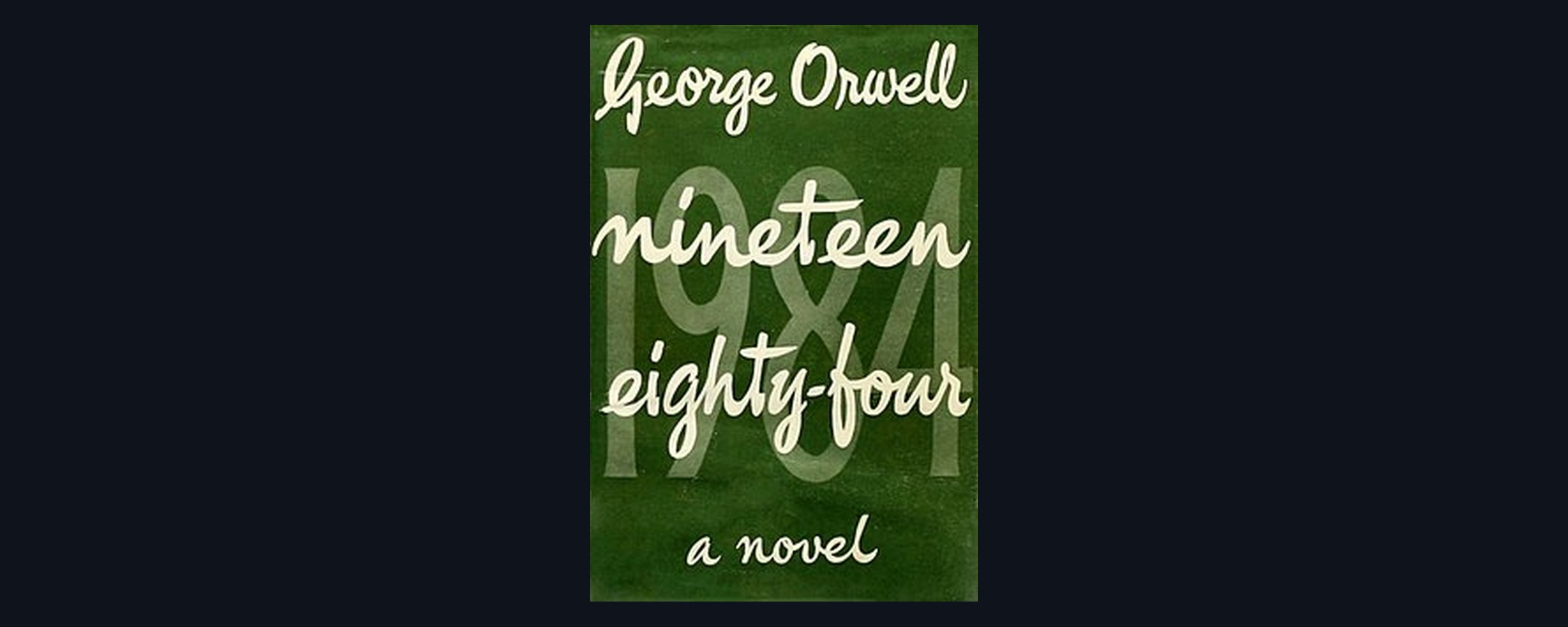
1984
George Orwell published Nineteen Eighty-Four in June 1949, seven months before his death from tuberculosis, as a warning rather than a prophecy. The novel imagines Britain absorbed into Oceania, a...
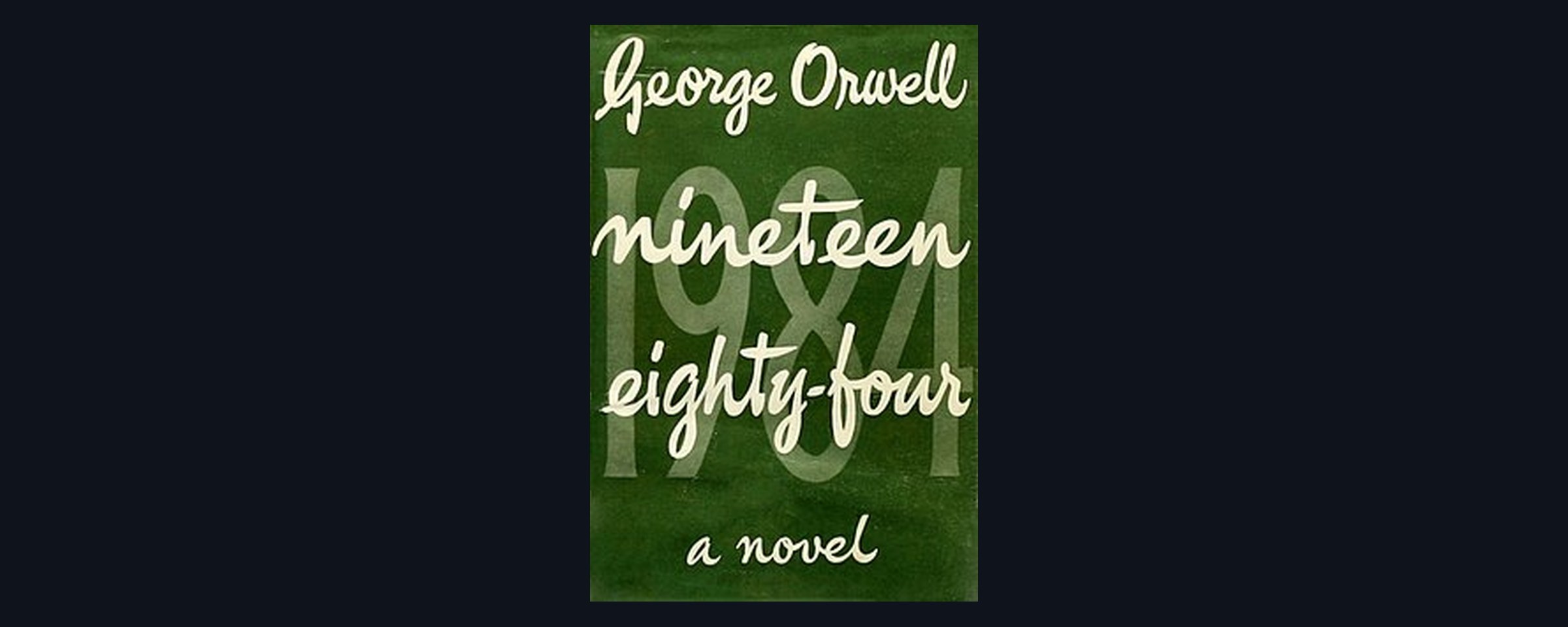
Nineteen Eighty-Four
George Orwell's Nineteen Eighty-Four, published in June 1949, has become the twentieth century's standard reference point for describing state power stripped of restraint. Conservatives read it not as a warning...

1984
George Orwell's Nineteen Eighty-Four, published on 8 June 1949, is the most widely read political novel of the twentieth century and the one conservatives cite most. Its subject is not...

Nineteen Eighty-Four
George Orwell's Nineteen Eighty-Four, published on 8 June 1949, has become the standard warning against total state power. A dying Orwell wrote it as a socialist appalled by what he...

Nineteen Eighty-Four
Nineteen Eighty-Four, published on 8 June 1949 by Secker and Warburg, is George Orwell's account of a society in which the state has abolished private life, rewritten the past, and...

Centesimus Annus
Centesimus Annus ("In the Hundredth Year") is the encyclical issued by Pope John Paul II on 1 May 1991, eighteen months after the fall of the Berlin Wall and the...

Quadragesimo Anno
Quadragesimo Anno ("In the Fortieth Year") is the social encyclical issued by Pope Pius XI on 15 May 1931 to mark the fortieth anniversary of Leo XIII's Rerum Novarum. The...

Rerum Novarum
Rerum Novarum ("Of New Things") is the encyclical issued by Pope Leo XIII on 15 May 1891 in response to the social crisis produced by industrial capitalism in late-nineteenth-century Europe....
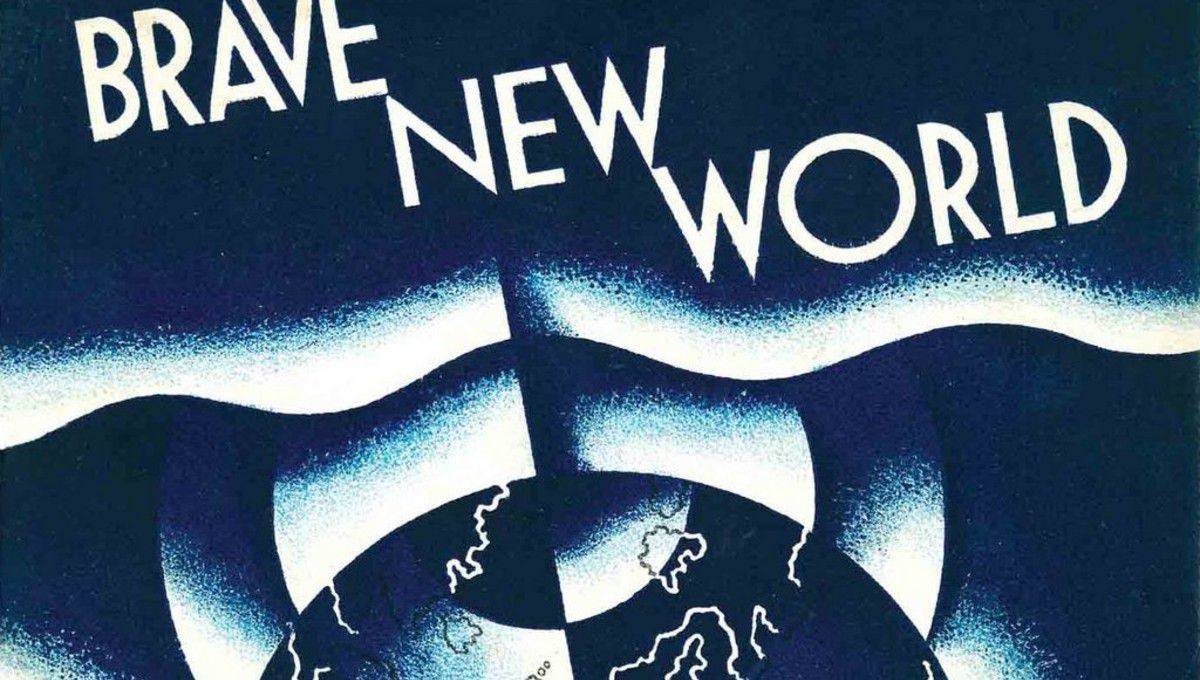
Brave New World
Brave New World is a dystopian novel by Aldous Huxley. Set 500 years in the future, it warns against a society in which the state controls all aspects of life...
Latest articles
1984
George Orwell published Nineteen Eighty-Four in June 1949, seven months before his death from tuberculosis, as a warning rather than a prophecy. The novel imagines Britain absorbed into Oceania, a totalitarian superstate ruled by the Party and its unseen figurehead, Big Brother, where the Ministry of Truth rewrites history daily and the secret police monitor citizens through telescreens installed in every home. Winston Smith, a low-ranking Party functionary who edits old newspapers to match the Party's current line, attempts a private rebellion through memory, love, and language, and is broken by torture in the Ministry of Love until he betrays...
Nineteen Eighty-Four
George Orwell's Nineteen Eighty-Four, published in June 1949, has become the twentieth century's standard reference point for describing state power stripped of restraint. Conservatives read it not as a warning against any single ideology but as an anatomy of what happens when government claims the authority to define truth, language, and memory. The novel's Oceania is a one-party state that survives by rewriting its own past daily and by narrowing the vocabulary its citizens use to think. Orwell wrote the book while dying of tuberculosis on the Scottish island of Jura, finishing the manuscript in late 1948 and reversing the...
1984
George Orwell's Nineteen Eighty-Four, published on 8 June 1949, is the most widely read political novel of the twentieth century and the one conservatives cite most. Its subject is not merely surveillance or dictatorship but the deliberate destruction of the inherited things that make independent thought possible: a stable language, a recorded past, private affection, and the ordinary loyalties of family and place. Conservatives read the book as a study in what happens when a governing party treats every human institution as raw material for reconstruction. Winston Smith's rebellion begins with a diary and a fragment of coral, both survivals...
Nineteen Eighty-Four
George Orwell's Nineteen Eighty-Four, published on 8 June 1949, has become the standard warning against total state power. A dying Orwell wrote it as a socialist appalled by what he had seen of Stalinism, yet conservatives have claimed the book because its target is precisely what conservatism most fears: a state that abolishes private life, rewrites the past, and dictates the meaning of words. Its vocabulary — Big Brother, Newspeak, doublethink, thoughtcrime, the memory hole — now supplies the language people reach for whenever government or ideology overreaches. The novel matters to conservative thought less as prophecy than as diagnosis....