
Print
Cite
Feedback
Share
Key Takeaways
- Equality of opportunity advocates that all individuals should have an equal chance to succeed based on their talents and efforts.
- Conservatives support equality of opportunity, based off a belief in meritocracy.
- Conservatives oppose equal outcomes policies because they discourage individual responsibility, required more government intervention, and are morally unjust.
Introduction
Equality of opportunity is a socio-political concept which holds that people should be provided as fair and equal an opportunity to success as possible, while not relying on quotas or affirmative action to achieve equal representation of class/race/gender/etc. That is, society should aim to provide everyone with good education, learning opportunities, and chances to succeed so that the best (i.e. most talented, hardest working) shall secure rewards rather than just giving rewards to those who are from an underrepresented “class”. Equality of opportunity asserts that personal outcomes should be determined by one’s merits, efforts, and choices rather than by factors beyond their control.[1]
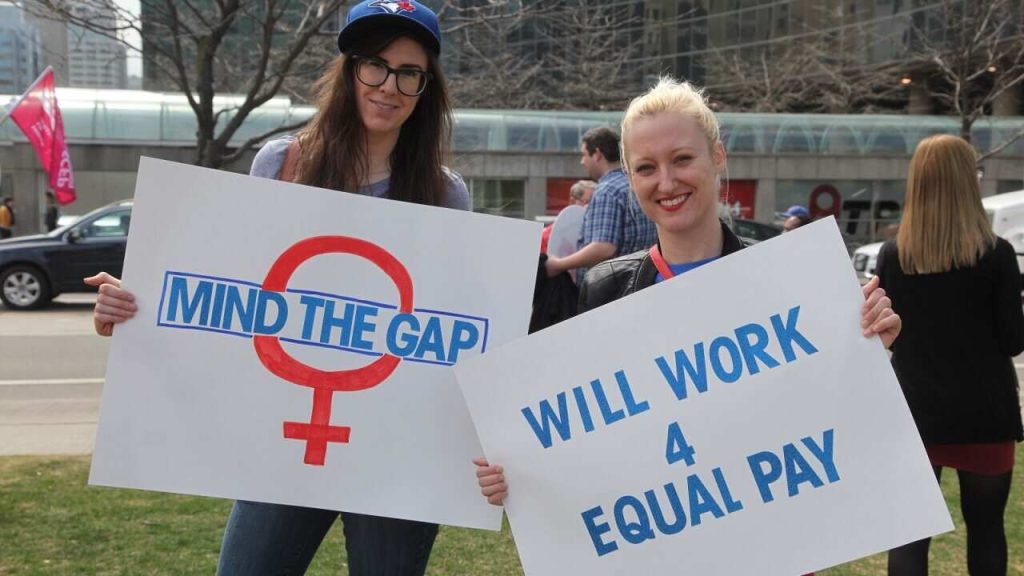
Historically, the struggle for equality of opportunity has been a central theme in civil rights movements. The U.S. Civil Rights Act of 1964, for instance, aimed to end racial segregation and discrimination, marking a significant stride toward equal opportunities for African Americans. Similarly, the women’s suffrage movement advocated for equal political opportunities, leading to the achievement of women’s right to vote in many countries during the early 20th century.
The concept of equality of opportunity encompasses various aspects of human life, including education, employment, access to healthcare, and participation in civic life. Debates persist over the practical implementation of this principle, with discussions focusing on issues such as affirmative action and educational disparities.
Many progressives today believe that affirmative action programs, such as quotas in university for people of color is the just way to fix historical injustices. Such programs are known as equality of outcome.
Conservative view
There are four main reasons on why conservatives support equality of opportunity. First, conservatives advocate for providing a roughly equal starting point for everyone. Second, conservatives argue for the importance of meritocracy. Third, conservatives emphasize limited government intervention and oppose affirmative action policies. Fourth, conservatives push for education reform as a vital part in ensuring equality of opportunity.
Equality of Opportunity over Equality of Outcome
Conservatives strongly advocate for systems and policies that promote equal starting point in terms of access to education, job opportunities, and other resources. However, conservatives point that outcomes may vary due to individual choices and efforts. That’s why conservatives emphasize the importance of distinguishing between equality of opportunity and equality of outcomes, arguing that while everyone should have an equal opportunity to succeed, it is not desirable or realistic to strive for equal outcomes.[2]
Meritocracy
The principle of meritocracy is highly prioritized by conservatives, where individuals are rewarded based on their talents, efforts, and achievements rather than on arbitrary factors like social status or government preferences. Conservatives argue that a meritocratic system, where everyone competes on a roughly level playing field, promotes fairness and allows the most qualified individuals to succeed.[3]
Education Reform
Conservatives believe that education is a crucial factor in ensuring equality of opportunity and advocate for policies that promote education reforms including school choice, charter schools, and voucher programs. Conservatives argue that these approaches give parents more control over their children’s education and create competition that can improve overall educational quality, especially in disadvantaged areas.
- [1] Miller, David . 2013. “Liberalism, Equal Opportunities and Cultural Commitments.” Edited by David Miller. Cambridge University Press. Cambridge: Cambridge University Press.
- [2] Azerrad, David. 2012. “Political Justice: Equality of Opportunity Not Sameness of Opportunity.” The Heritage Foundation. October 10. https://www.heritage.org/political-process/commentary/political-justice-equality-opportunity-not-sameness-opportunity.
- [3] Joseph, Lawrence B. 1980. “Some Ways of Thinking about Equality of Opportunity.” The Western Political Quarterly 33 (3): 393. doi:https://doi.org/10.2307/447264.
You've read articles over the past year
Will you support conservative education?
A gift of any amount helps keep unique explanatory journalism free for all, and
supports our mission to help everyone understand the world, regardless of their
ability to pay.One-time contributors join our community of givers and will be kept
up to date on the journalism that you help keep free.

Westernization
Westernization is the adoption by non-Western societies of institutions, technologies, laws, manners and habits of mind that originated in Western Europe and its colonial offshoots....
War Crime
A war crime is a serious violation of the law of armed conflict for which an individual bears personal criminal responsibility. The category covers the...

Voter ID Laws
Voter identification laws require a person presenting to vote to prove who they are, usually by producing a government-issued document. The requirement is unremarkable across...

Voter Fraud
Voter fraud is the deliberate corruption of an election by unlawful means: impersonating another voter, casting ballots in the name of the dead or the...