
Print
Cite
Feedback
Share
Key Takeaways
- Puritanism was a religious and social movement which advocated for a return to a simpler form of Christianity free from rituals and hierarchy.
- Puritanism differs from conservatism when it comes to the nature of the ideology, tolerance towards other people, and their approach to authority.
- Puritans emphasized individualism, while conservatives argue for the well-being of society as a whole.
Introduction
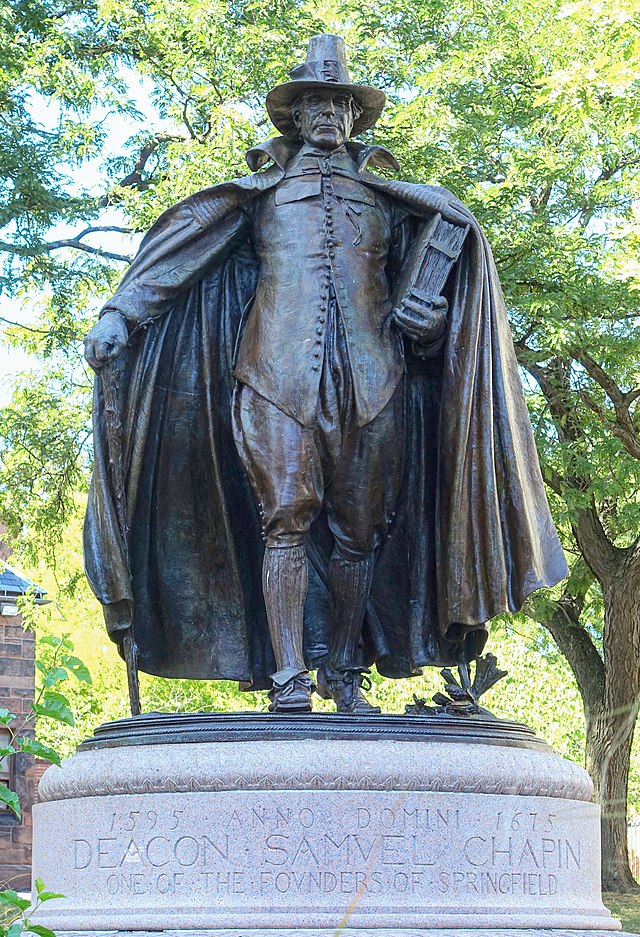
Puritanism is religious and social movement that emerged in the late 16th century and influenced the development of American culture and society. In the early 17th century, a group of Puritans known as the Pilgrims sought religious freedom in the New World and in order to escape religious persecution in England, landed at Plymouth Rock in 1620, where they established a colony in what is now Massachusetts.
Rooted in the Protestant Reformation, Puritanism sought to reform the Church of England from within, advocating for a return to what they perceived as a more pure and simple form of Christianity, free from the rituals and hierarchy of the established church.[1] Puritans believed in predestination, the idea that God had already determined who would be saved and who would be damned, leading them to lead morally upright lives as a sign of their election.
Conservative perspective
Due to the religious, austere, and custom-based nature of puritanism, it is a conservative, Christian sect.
- [1] Trinterud, Leonard J. 1951. “The Origins of Puritanism.” Church History 20 (1): 37–57. doi: https://doi.org/10.2307/3162047.
- [2] Cline, Timon. 2022. “A Puritan Politics: Life, Unity, and the Pursuit of God.” The American Conservative. September 30. https://www.theamericanconservative.com/a-puritan-politics-life-unity-and-the-pursuit-of-god/.
- [3] Walzer, Michael. 1963. “Puritanism as a Revolutionary Ideology.” History and Theory 3 (1): 59. doi: https://doi.org/10.2307/2504304.
You've read articles over the past year
Will you support conservative education?
A gift of any amount helps keep unique explanatory journalism free for all, and
supports our mission to help everyone understand the world, regardless of their
ability to pay.One-time contributors join our community of givers and will be kept
up to date on the journalism that you help keep free.

Westernization
Westernization is the adoption by non-Western societies of institutions, technologies, laws, manners and habits of mind that originated in Western Europe and its colonial offshoots....
War Crime
A war crime is a serious violation of the law of armed conflict for which an individual bears personal criminal responsibility. The category covers the...

Voter ID Laws
Voter identification laws require a person presenting to vote to prove who they are, usually by producing a government-issued document. The requirement is unremarkable across...

Voter Fraud
Voter fraud is the deliberate corruption of an election by unlawful means: impersonating another voter, casting ballots in the name of the dead or the...