
Category
Filter articles
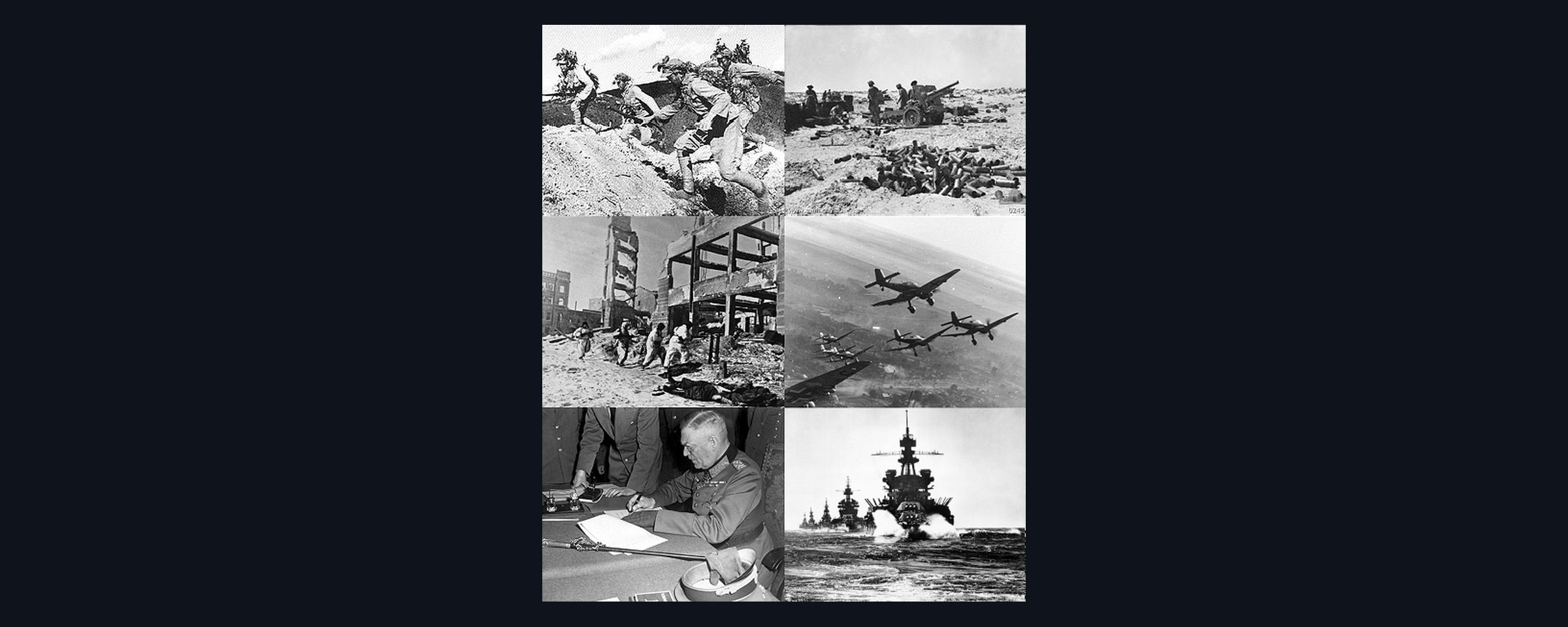
WW2
The Second World War ran from Germany's invasion of Poland on 1 September 1939 to Japan's surrender aboard USS Missouri on 2 September 1945, killed between 70 and 85 million...
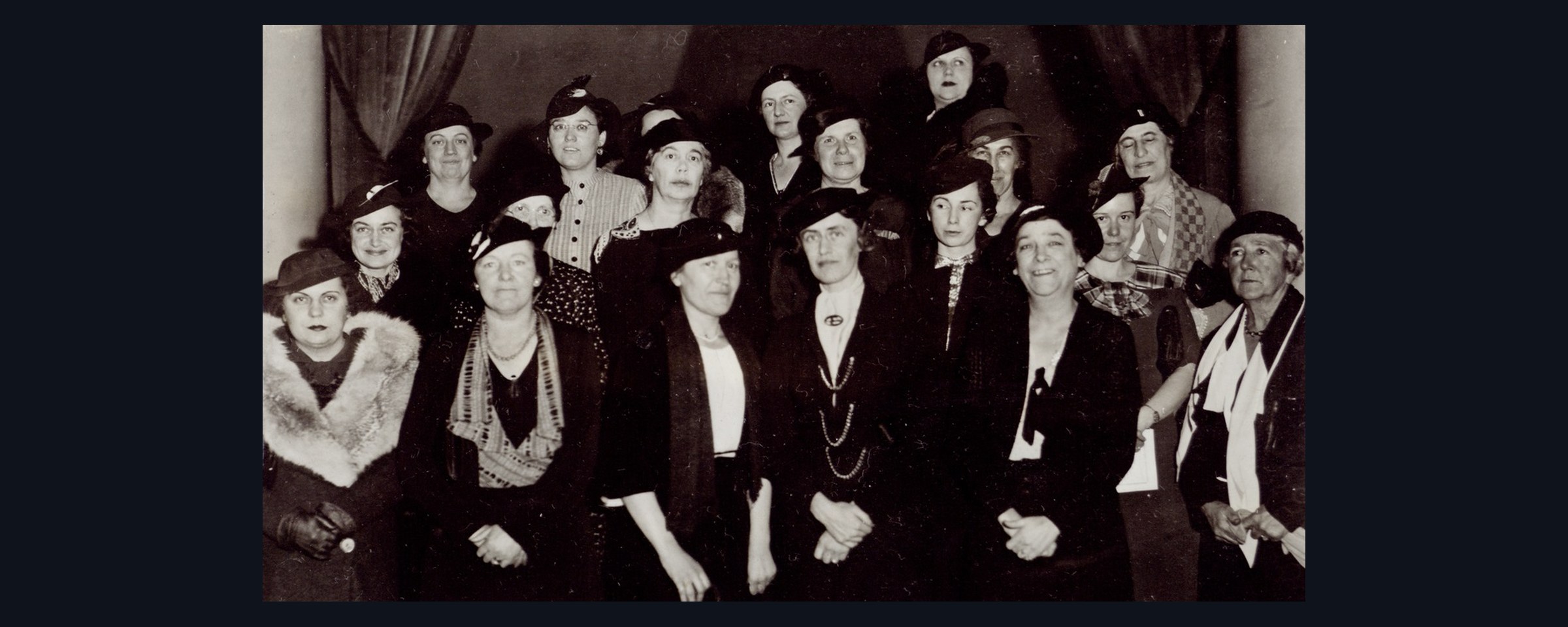
Woman’s Rights
Woman's rights denotes the body of legal and political claims asserting equal standing for women in property, contract, suffrage, education, employment, and family law. In the Anglo-American world the sequence...

White Privilege
White privilege is the claim that people classified as white receive unearned advantages in societies with a history of racial hierarchy, and that these advantages persist after formal legal discrimination...
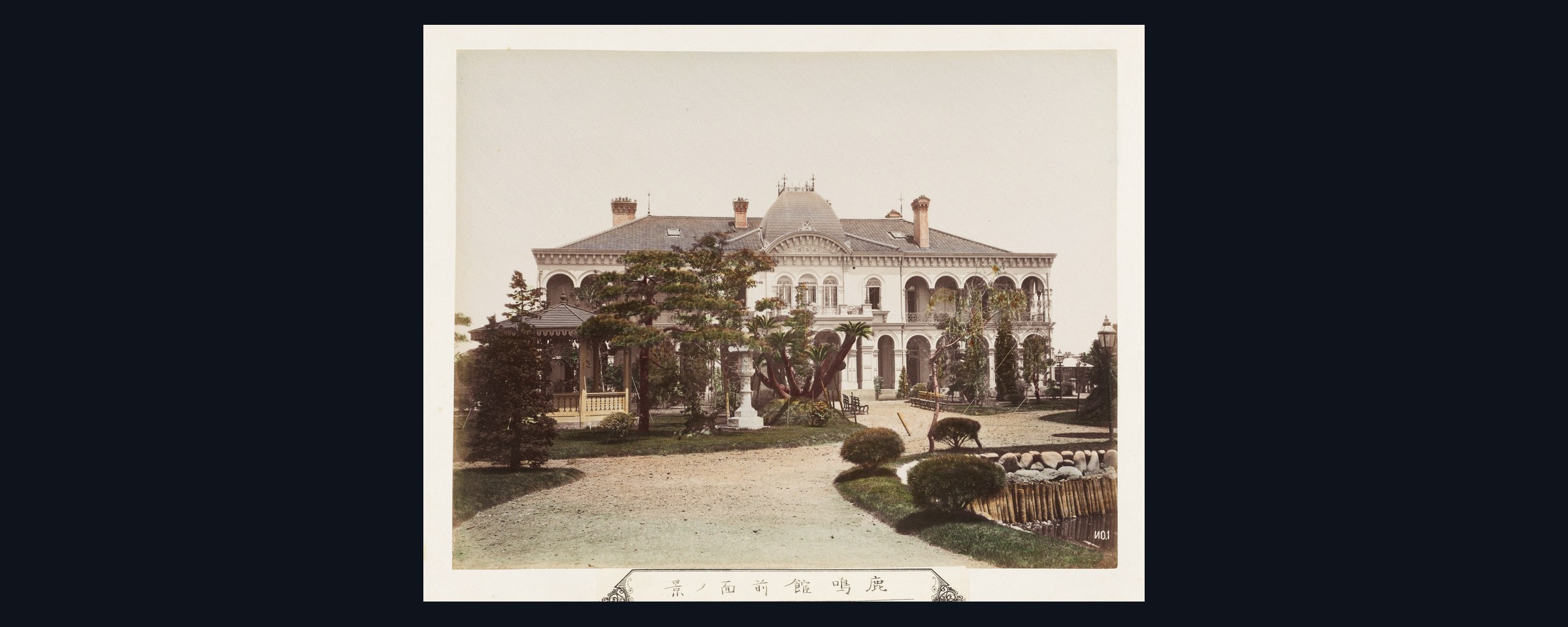
Westernization
Westernization is the adoption by non-Western societies of institutions, technologies, laws, manners and habits of mind that originated in Western Europe and its colonial offshoots. It has taken the form...
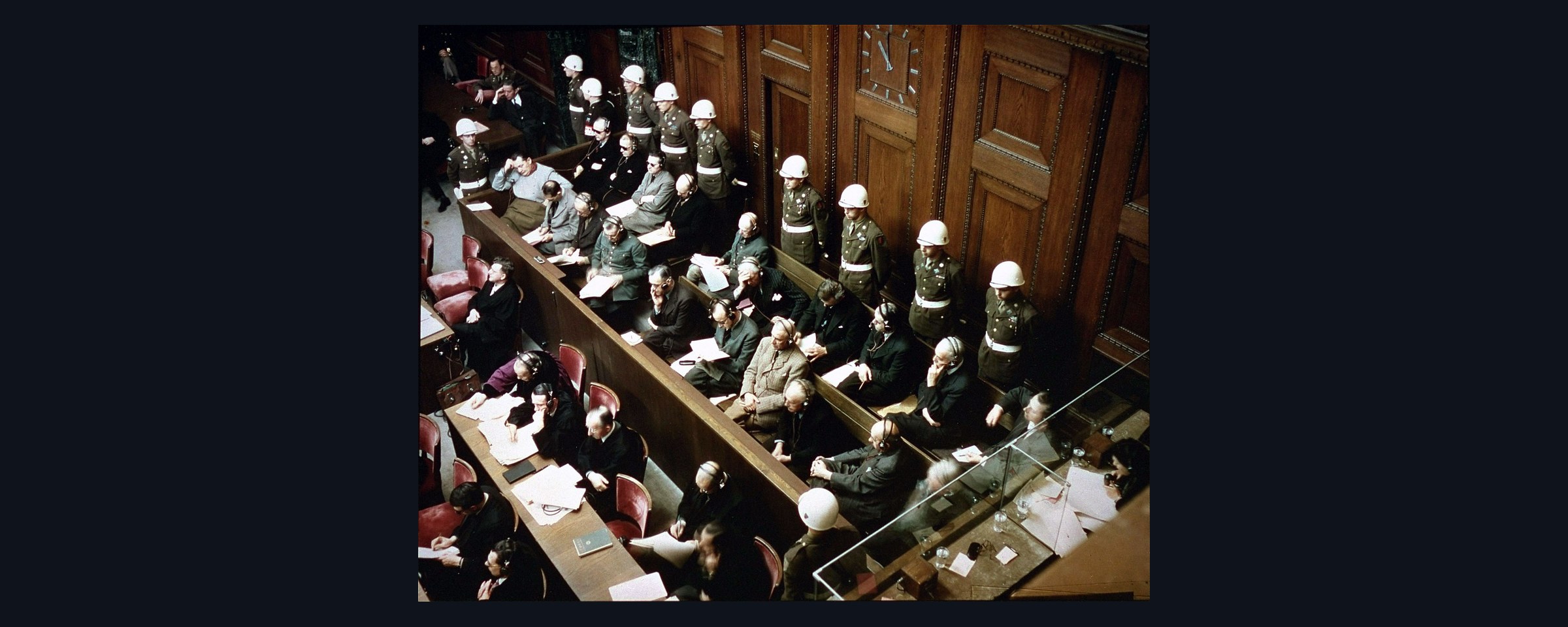
War Crime
A war crime is a serious violation of the law of armed conflict for which an individual bears personal criminal responsibility. The category covers the deliberate killing of prisoners, the...

Voter ID Laws
Voter identification laws require a person presenting to vote to prove who they are, usually by producing a government-issued document. The requirement is unremarkable across most of the democratic world:...

Voter Fraud
Voter fraud is the deliberate corruption of an election by unlawful means: impersonating another voter, casting ballots in the name of the dead or the departed, buying votes, coercing or...

Vaccines
Vaccination is the practice of inducing immunity to a disease by exposing the body to a weakened, killed, or partial form of the pathogen. It is among the most successful...

War On Drugs
The war on drugs is the name given to the campaign of prohibition, interdiction and criminal enforcement that the United States has pursued against narcotics since Richard Nixon declared drug...

Utilitarianism
Utilitarianism holds that the right action is the one producing the greatest balance of well-being over suffering, counted impartially, with each person's welfare weighed the same as any other's. Jeremy...

Unemployment
Unemployment is the condition of wanting paid work, being able to do it, and not having it. The word entered English economic writing only in the 1880s, which is itself...

Tribalism
Tribalism is loyalty organised around descent, and it is the oldest political arrangement there is. A tribe answers the first question any society must answer — who is one of...
Latest articles
WW2
The Second World War ran from Germany's invasion of Poland on 1 September 1939 to Japan's surrender aboard USS Missouri on 2 September 1945, killed between 70 and 85 million people, and settled the political shape of the following half-century. For conservatives the war is the decisive case against two propositions they reject: that aggression can be managed by negotiation with regimes that reject the premises of negotiation, and that military strength is a provocation rather than a deterrent. Churchill's argument in the 1930s was not that war was desirable but that the choice had already been narrowed by inaction....
Woman’s Rights
Woman's rights denotes the body of legal and political claims asserting equal standing for women in property, contract, suffrage, education, employment, and family law. In the Anglo-American world the sequence ran from married women's property acts in the 1830s through the suffrage victories of 1918 to 1928 in Britain and 1920 in the United States, to equal-pay and anti-discrimination statutes in the 1960s and 1970s. Conservatives supported and in several cases led these reforms, on the ground that the common-law doctrine of coverture — which merged a wife's legal personality into her husband's — was an inherited defect rather than...
White Privilege
White privilege is the claim that people classified as white receive unearned advantages in societies with a history of racial hierarchy, and that these advantages persist after formal legal discrimination has ended. The term entered wide academic use through Peggy McIntosh's 1988 working paper at Wellesley College, which listed everyday conveniences she attributed to her race, and moved into corporate and government training programmes across North America and Britain during the 2010s.1 Conservatives dispute the concept on three grounds: that it assigns moral debts by ancestry rather than conduct, that it collapses the distinction between statistical disparity and personal culpability,...
Westernization
Westernization is the adoption by non-Western societies of institutions, technologies, laws, manners and habits of mind that originated in Western Europe and its colonial offshoots. It has taken the form of deliberate state policy — Peter the Great's reordering of Russia, the Ottoman Tanzimat, Japan's Meiji reforms, Atatürk's republic — and of unplanned diffusion through trade, missionary work, schooling and mass entertainment. Conservative thought approaches the subject from two directions that pull against each other. Conservatives hold that the Western political inheritance is a real achievement rather than an arbitrary local custom: the rule of law, secure property, representative institutions...