
Print
Cite
Feedback
Share
Key Takeaways
- Guantanamo Bay is a U.S. naval base in Cuba, which has a detention camp that holds the world’s most dangerous terrorists as detainees.
- Conservatives (primarily Republicans) defend the existence of the detention camp, pointing to the importance of protecting national security against terrorism and that it works within the limits of international law.
Introduction
Guantanamo Bay, a U.S. naval base located on the southeastern tip of Cuba, has gained global prominence primarily due to its association with the Guantanamo Bay detention camp. Established in 1903 through a bilateral agreement between the United States and Cuba, the base has served various military and strategic purposes throughout its history.
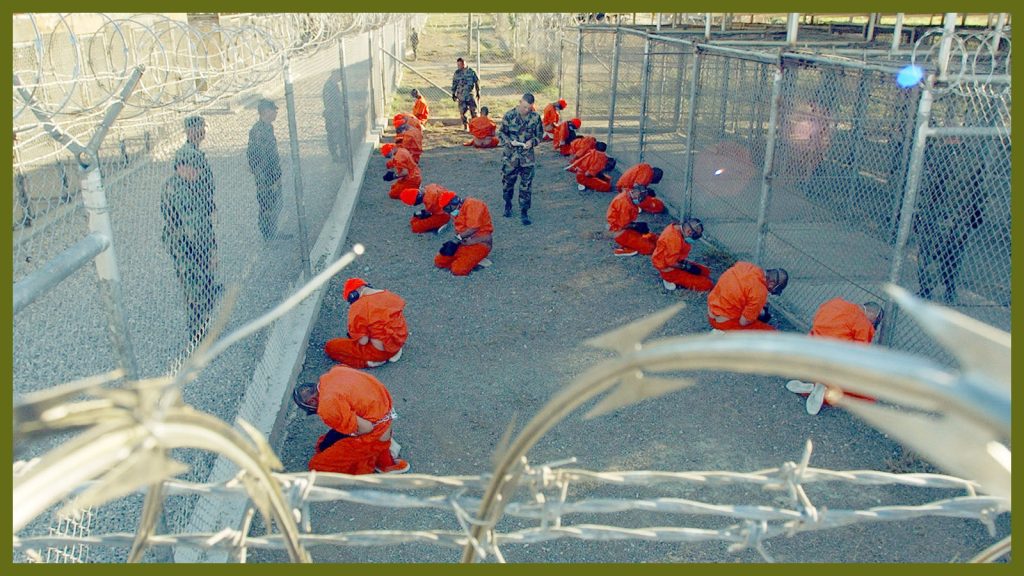
The Guantanamo Bay detention camp, inaugurated in the aftermath of the September 11, 2001 attacks, has been a source of significant controversy. Operating as a center for the detention of individuals suspected of terrorism, it has been a focal point for debates on human rights, due process, and the treatment of detainees. The camp has faced criticism for practices such as indefinite detention without trial and the use of enhanced interrogation techniques, raising concerns about adherence to international law.[1]
Guantanamo Bay has become symbolic of the complex intersection between national security and human rights considerations in the post 9/11 era. Its existence reflects broader challenges faced by democratic nations in balancing security measures with the protection of individual rights, contributing to ongoing dialogues on the ethical and legal dimensions of counterterrorism efforts.
Conservative perspective
There are two main reasons on why conservatives defend the existence of the Guantanamo Bay prison. First, conservatives emphasize the importance of protecting national security and counterterrorism. Second, conservatives assert that the detention camp operates within international law.
National security and counterterrorism
Conservatives emphasize the importance of preventing terrorist attacks, arguing that Guantanamo Bay plays a crucial role in national security and is an essential tool in the broader strategy to counteract terrorism. By providing a secure facility to detain individuals suspected of terrorism, conservatives contend that the camp is necessary for interrogating, detaining, and gathering intelligence from individuals who pose a threat to the United States and its allies.[2]
Legal Framework
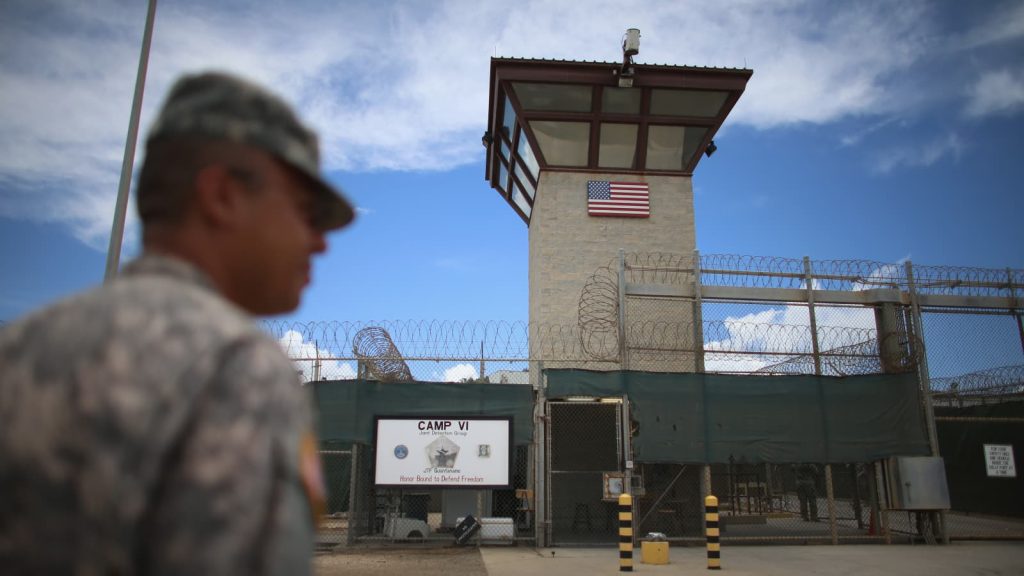
Some conservatives maintain that the detainees at Guantanamo Bay are not entitled to the same legal rights as U.S. citizens and argue that the camp operates within the bounds of international law. Conservatives point to the complexities posed by non-state actors engaged in acts of terrorism, asserting that the traditional legal system may not be fully equipped in dealing with the challenges posed by terrorism.[3]
Moreover, conservatives support the use of military tribunals at Guantanamo Bay for trying individuals accused of terrorism. The argument is that these tribunals are a suitable alternative to civilian courts, providing a secure and efficient means of delivering justice in cases involving national security. For example, civilian courts might be prone to legal loopholes that could hinder the effective prosecution of individuals involved in terrorism.
Executive Authority
Certain conservatives defend the executive branch’s authority to make decisions regarding the detention of individuals at Guantanamo Bay, asserting that the president has the responsibility to protect the nation and make strategic decisions related to national security. This responsibility, conservatives argue, grants the executive branch the authority to make decisions related to military actions and national defense.
Moreover, conservatives assert that the executive branch, led by the president, possesses specialized expertise and has access to classified information about the evolving threats against the country, which is crucial for making informed decisions in matters of national security. Conservatives also point to the dynamic and unpredictable aspect of security threats, which means that the president must be able to adapt strategies and policies quickly to address emerging challenges.
- [1] Davis, Morris D. n.d. “In Defense of Guantanamo Bay.” Www.yalelawjournal.org. https://www.yalelawjournal.org/forum/in-defense-of-guantanamo-bay.
- [2] Aris Folley, Jordan Williams. 2022. “Republicans Scoff as Democrats Try to Close Gitmo Again.” The Hill. July 5. https://thehill.com/policy/defense/3544387-republicans-scoff-as-dems-try-to-close-gitmo-again/.
- [3] Henricks, Anna. n.d. “GUANTANAMO BAY DETENTION CENTER.” https://static1.squarespace.com/static/5cb7e5637d0c9145fa68863e/t/5dd483acf0a28a2d3ba8ddd1/1574208428241/SP_NSC_2.pdf.
You've read articles over the past year
Will you support conservative education?
A gift of any amount helps keep unique explanatory journalism free for all, and
supports our mission to help everyone understand the world, regardless of their
ability to pay.One-time contributors join our community of givers and will be kept
up to date on the journalism that you help keep free.

Woman’s Rights
Woman's rights denotes the body of legal and political claims asserting equal standing for women in property, contract, suffrage, education, employment, and family law. In...

White Privilege
White privilege is the claim that people classified as white receive unearned advantages in societies with a history of racial hierarchy, and that these advantages...

Torture
Torture is the deliberate infliction of severe pain on a person held in custody, for confession, information, punishment, or intimidation. European law abolished it as...

Social Security
Social Security is the United States' federal old-age, survivors, and disability insurance program, financed by a dedicated payroll tax and administered by the Social Security...